

Why technology needs a seat at the consultants' table
On most residential projects, technology is the only major building system with no design professional behind it. Structural, mechanical, and lighting each arrive as stamped or documented packages; the AV scope arrives as an integrator's proposal — a price list with brand names, produced by the party who profits from its contents. It doesn't coordinate with your set because it was never drawn against it.
An independent technology consultant closes that gap. The deliverables mirror what you get from any sub-consultant: drawings coordinated with yours, a specification that can be competitively bid, and construction-phase services that hold the installer to the documents. The difference from an integrator isn't polish — it's that the author of the documents has no financial stake in what gets purchased.
Schematic design: program, budget, and space
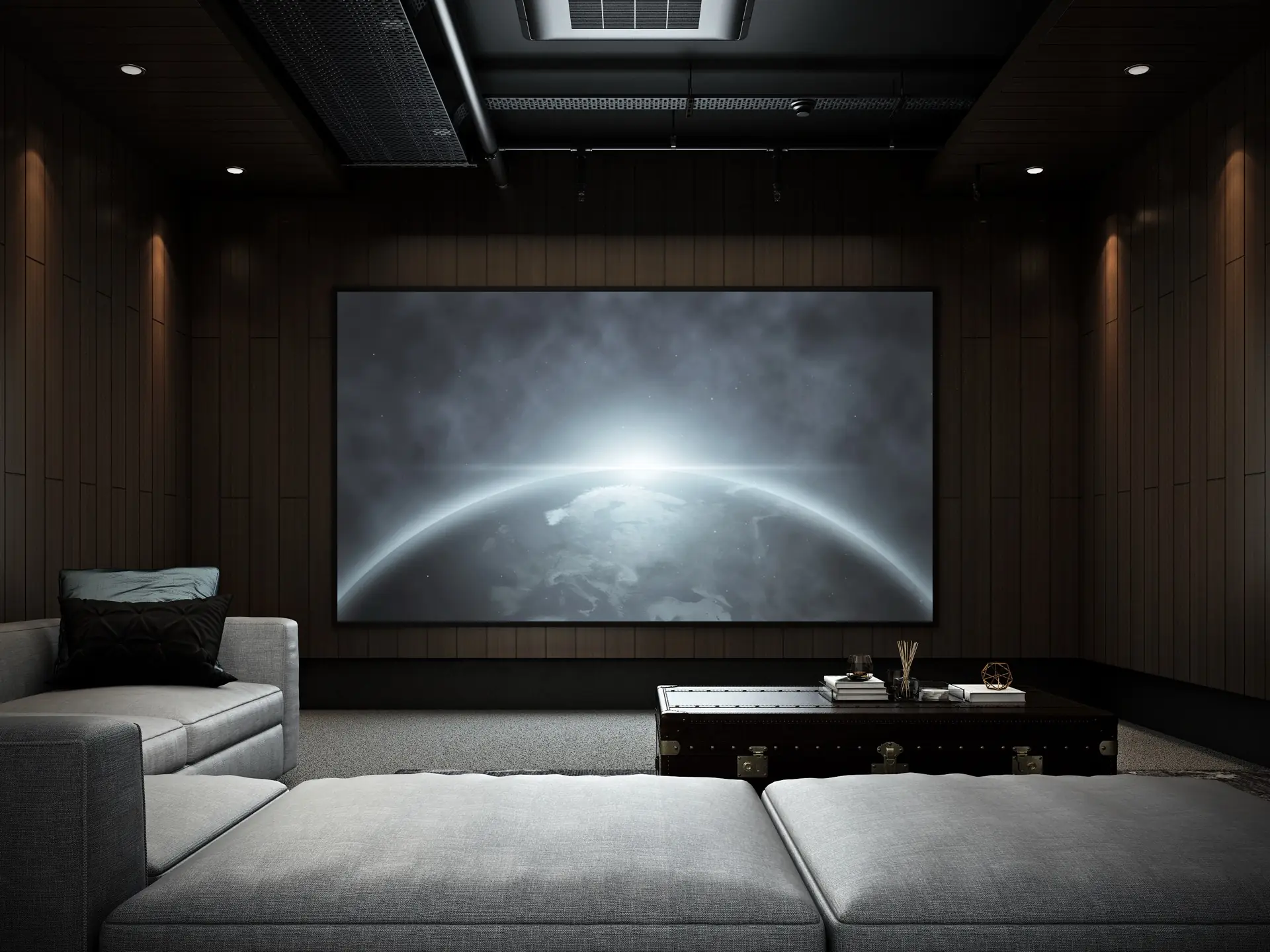
At SD, the useful deliverables are decisions, not drawings. We interview the client and produce a technology program — which systems, which rooms, what level of ambition — plus realistic budget ranges the owner can react to while the plan is still fluid. This is when 'do we want a dedicated theater or a media room?' should get answered, because the answer changes the plan.
The other SD deliverable is space: an equipment-room allowance sized and located correctly (with cooling and power noted for your engineers), and primary pathway routes between floors and structures. A closet claimed at SD costs nothing; the same space discovered missing at CD costs a redesign.
Design development: locations, philosophy, concealment
DD is where technology decisions are cheapest and most consequential. We resolve device locations onto your plans — speakers coordinated with your RCP, keypads aligned with your switching philosophy and gang discipline, displays with their niches and blocking, wireless access points placed for coverage rather than convenience.
This is also the concealment phase: invisible-speaker plaster details, millwork-integrated touchpanels, shade pockets, and hidden-display treatments only work if they're detailed before the details are drawn. We supply those details in your drafting standards so they land in your set, not in a change order.
Construction documents: the low-voltage sheet set and spec
The CD deliverable is a complete low-voltage package folded into your bid set: floor plans with every device tagged, riser/one-line diagrams, rack elevations, enlarged equipment-room plans, concealment and mounting details, and device schedules. Your electrical engineer gets coordinated power and conduit requirements instead of guesses.
Alongside the drawings goes a manufacturer-agnostic specification: performance requirements, wiring standards, programming scope, commissioning requirements, and closeout obligations (documentation and credentials delivered to the owner). Because it names outcomes rather than a favored product line, qualified integrators can bid it apples-to-apples.
Bidding and construction administration
We assemble the integrator bid list, run the bid, level the numbers, and give the owner a plain-English recommendation. During construction we review submittals and RFIs, walk rough-in before insulation hides the mistakes, and return at the end to commission the systems against the documents — every keypad, every scene, every camera, verified.
For your office, the practical effect is that technology coordination stops landing on your team. One party owns the scope from program through punch list, speaks the language of every trade touching it, and answers to the owner rather than to a sales target.
What it costs the project
Independent consulting fees typically run five to ten percent of the technology budget — and on projects complex enough to need real documentation, competitive bidding and right-sized scope routinely recover more than the fee. The owner pays less in total than they would have on a sole-sourced proposal, and your set gains a discipline that used to be a liability.
If you're evaluating consultants, ask to see a sample sheet set and specification, and confirm they take no equipment margin, no dealer commissions, and no referral fees from integrators. Independence is the entire point.