
The concealment menu
Almost everything in a modern technology package can disappear. Speakers can be plastered invisibly into walls and ceilings or reduced to small-aperture in-ceilings that read as downlights. Displays can rise from cabinetry, hide behind two-way mirrors, masquerade as framed art, or drop from ceilings. Keypads can be flush-mounted, color-matched, or engraved into millwork. Shades vanish into pockets. The equipment itself lives in a rack room nobody visits.
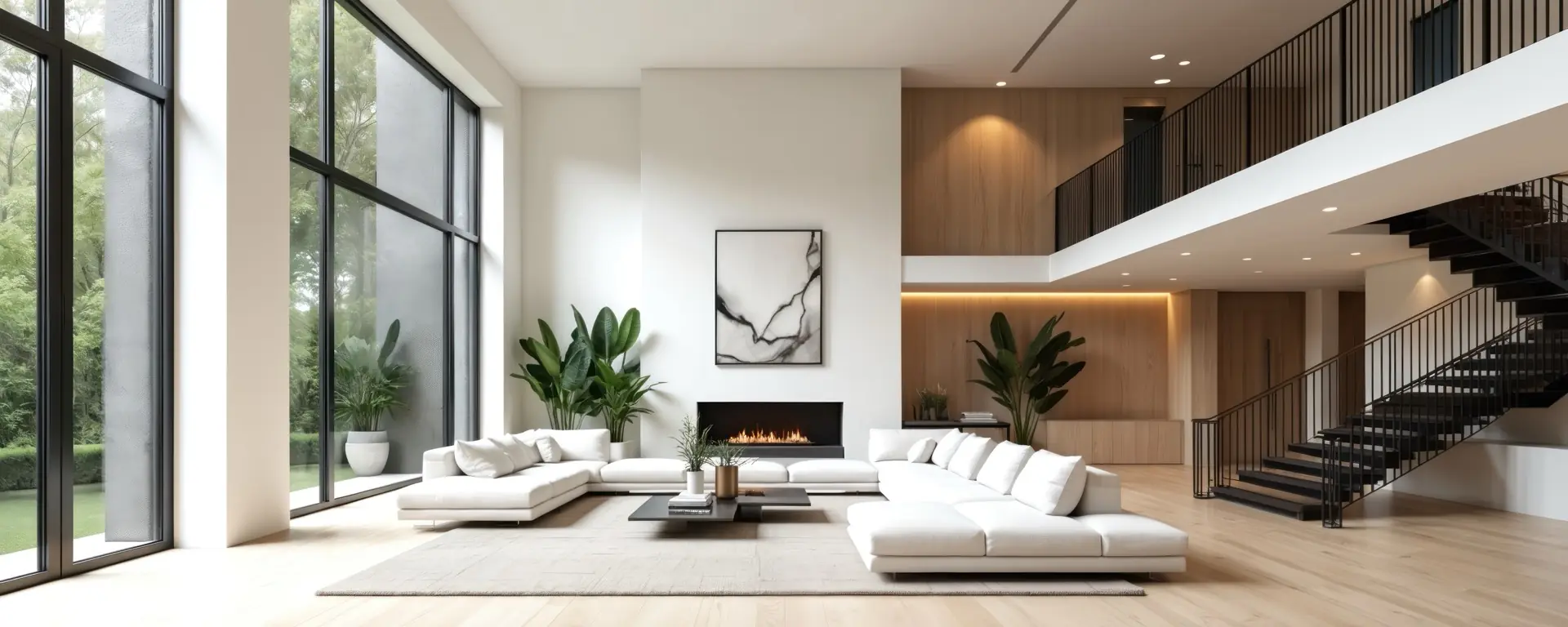
Each option carries a cost and a performance trade-off, and the honest role of a designer or consultant is to say which rooms deserve which treatment. A great room with bookmatched stone deserves invisible speakers; a laundry room does not.
Invisible speakers: how they work and what they trade
Invisible speakers are drive units bonded to a rigid panel that installs flush with the framing and gets skim-coated, so the finished wall or ceiling is literally unbroken. Done correctly they're genuinely undetectable and sound far better than most people expect — ideal for background and mid-level listening in considered rooms.
The trades: they cost several times what a quality in-ceiling speaker costs once you include the specialty finishing labor, they can't be serviced without opening the finish, and the very best critical-listening performance still belongs to conventional drivers. The right pattern in most homes is invisible where the architecture demands it and high-quality conventional or small-aperture everywhere else.
Hidden displays: lifts, mirrors, art, and restraint
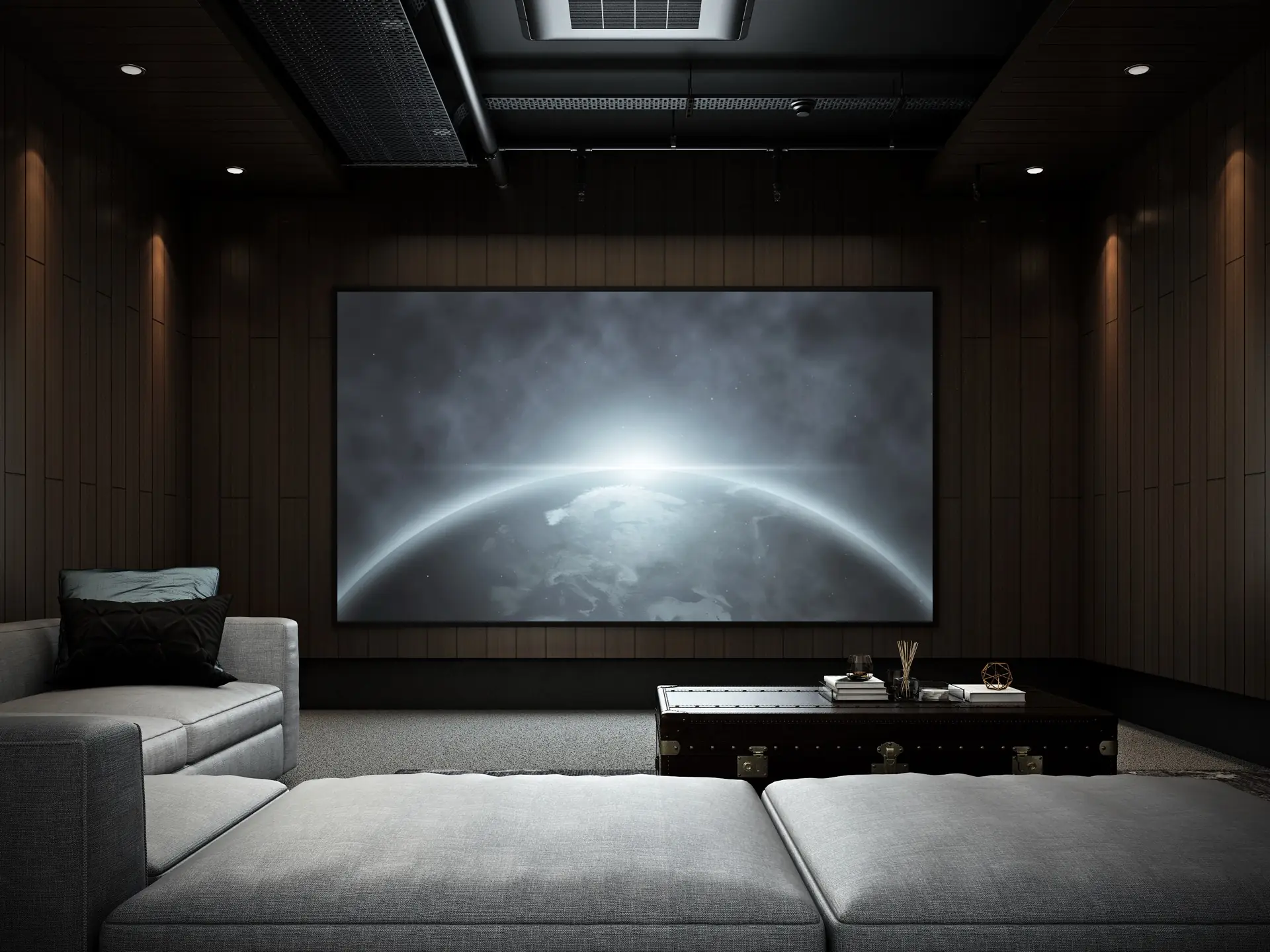
TV concealment ranges from cabinetry lifts and motorized art panels to mirror TVs and projection systems that only exist when the lights go down. Each needs real coordination: lift mechanisms need casework depth and ventilation, mirror TVs need wall cavities and precise trades sequencing, and every one of them needs power and data exactly where the mechanism ends up.
The most underrated option is restraint — fewer, better-placed displays. An independent designer with no screens to sell will happily tell you which rooms genuinely earn one, which is a sentence an equipment dealer struggles to say.
Keypads, shades, and the quiet wall
Nothing ruins a considered elevation faster than a six-gang cluster of mismatched plastic beside a hand-finished door casing. Keypad discipline — one intelligent keypad replacing banks of switches, consistent mounting heights, engraved buttons, finishes matched to the hardware schedule — is the cheapest concealment there is, and it's a coordination task between the lighting-control design and the electrical plan.
Automated shades disappear the same way: pockets sized and detailed at DD, fascias aligned with the ceiling plane, fabrics selected with the designer. A retrofitted shade with a surface-mounted roller announces itself forever; a pocketed one was never there.
Why this must be decided early
Every concealment technique on this list is trivial to build if it's on the drawings and painful if it isn't. Plaster speakers need framing depth and skim schedules; niches need blocking; lifts need casework designed around them; pockets need to exist before the ceiling closes. Concealment decided at trim becomes drywall surgery billed as a change order.
This is why the technology scope belongs in design development, drawn by someone coordinating with the architect and designer — and why 'we'll figure out the AV later' is the most expensive sentence in a luxury build.