
The fundamental difference
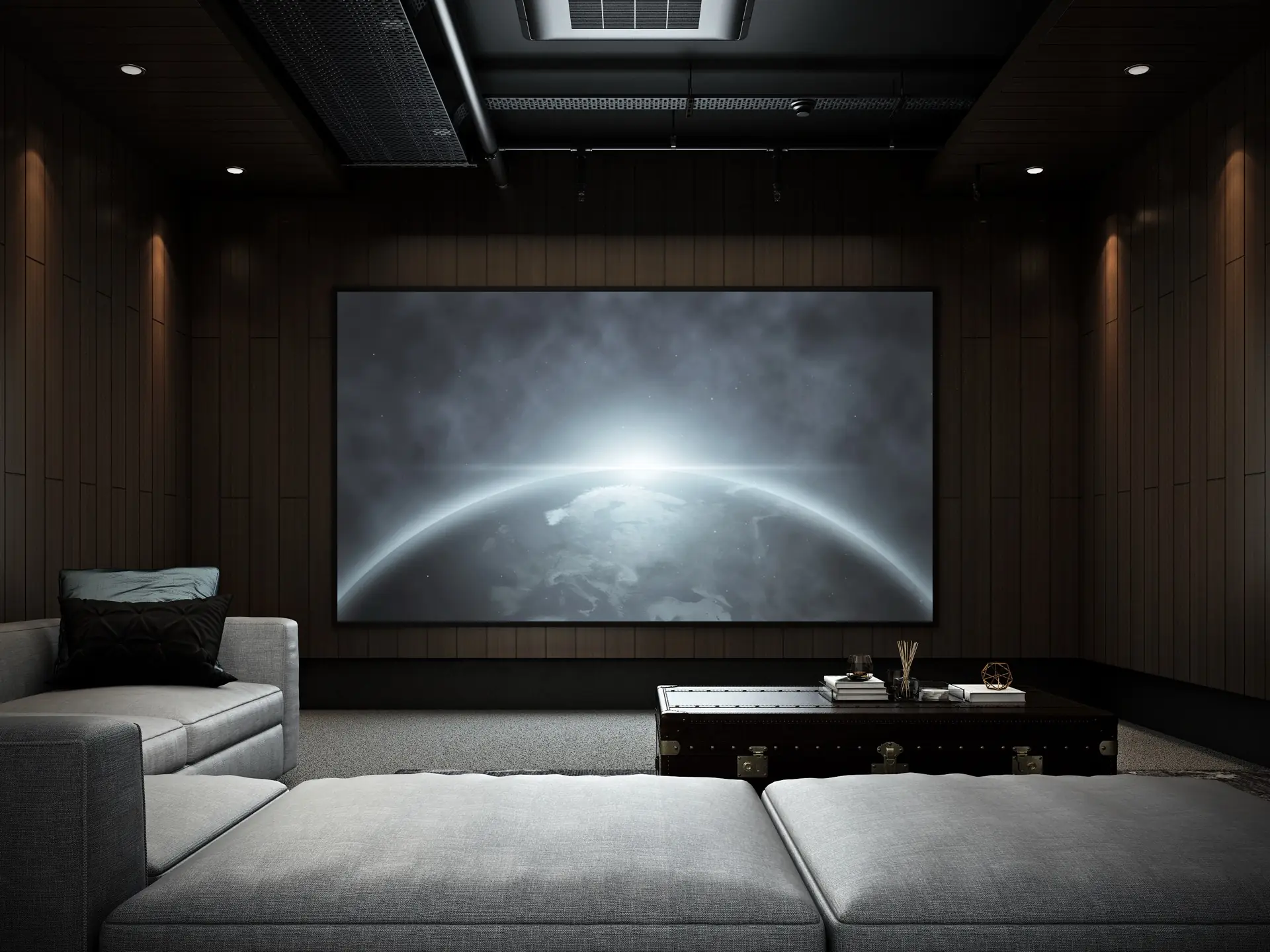
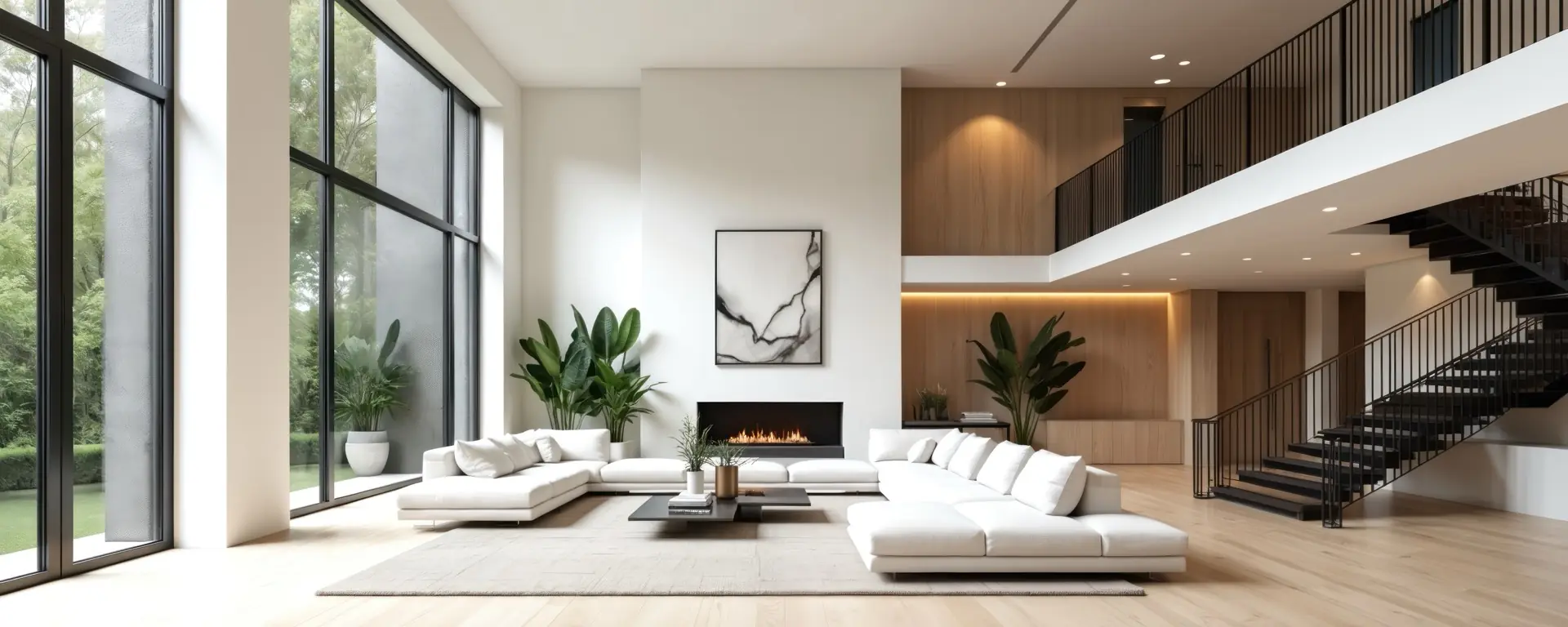
A dedicated home theater is a purpose-built, light-controlled room designed to do one thing supremely well: deliver a cinematic picture and sound experience. Everything in it, the seating, the acoustics, the lighting, the projector and screen, serves that single goal. A media room, by contrast, is a comfortable, flexible living space that happens to have excellent audio and video, used for everyday viewing, gaming, sports, and gathering.
Neither is better in the abstract. They are answers to different questions. The theater asks how good the experience can be when the room is built around it. The media room asks how good it can be while still functioning as a place the family genuinely lives.
When a dedicated theater makes sense
A dedicated theater is the right call when you want a true cinematic experience and have both the space and the budget to build a room around it. Because you control the lighting, the seating, and the acoustics, the performance ceiling is far higher: a large projected image in full darkness, sound engineered to the room, and an environment with no compromises. For serious film and immersive audio, nothing else matches it.
The tradeoffs are real. It consumes a dedicated room that does little else, it requires meaningful investment, and getting it right depends on acoustic treatment, sightlines, and calibration that have to be designed from the studs out. A theater built without that engineering is just an expensive room with a big screen.
When a media room makes sense
A media room is the better fit when you want outstanding audio and video without surrendering a room to a single use. It is the space where the family watches the game, the kids play, friends gather, and a movie plays on a casual evening, all in a comfortable, often more open room that stays part of daily life. For most households, this flexibility is exactly what they actually want.
The compromise is that an open, daylight-friendly, multi-use room cannot match a sealed, light-controlled theater for outright performance. That is usually a trade worth making, because a great media room gets used constantly while a theater, however impressive, may sit dark most of the week.
Acoustics and the things people underestimate
Both rooms live or die on acoustics, and this is where projects most often fall short. A theater needs deliberate acoustic treatment, isolation so sound does not leak through the house, and a layout engineered for sightlines and speaker placement. A media room needs thoughtful handling of its harder, more open surfaces so the audio sounds clean rather than harsh in a space never built for sound.
These requirements have to be planned during construction. Acoustic isolation, wiring, speaker positions, and sometimes the very dimensions of the room are extremely difficult and costly to add later. The performance you get is largely decided before the drywall ever goes up.
How to decide
Start with honest use rather than aspiration. How often would a dedicated theater actually be used? Do you have a room to give up entirely, or do you need that space to do several jobs? Is your priority reference-grade performance, or everyday flexibility your family will reach for constantly? The answers usually point clearly to one or the other, and sometimes to both in different parts of the home.
This is a place where independent guidance keeps the conversation honest, because an advisor with no equipment to sell has no reason to push the more elaborate room. The recommendation can follow how you genuinely live, the design can be specified to perform, and the work can be bid competitively, so you build the room you will love rather than the one that produced the largest invoice.