
Why shades are worth doing right
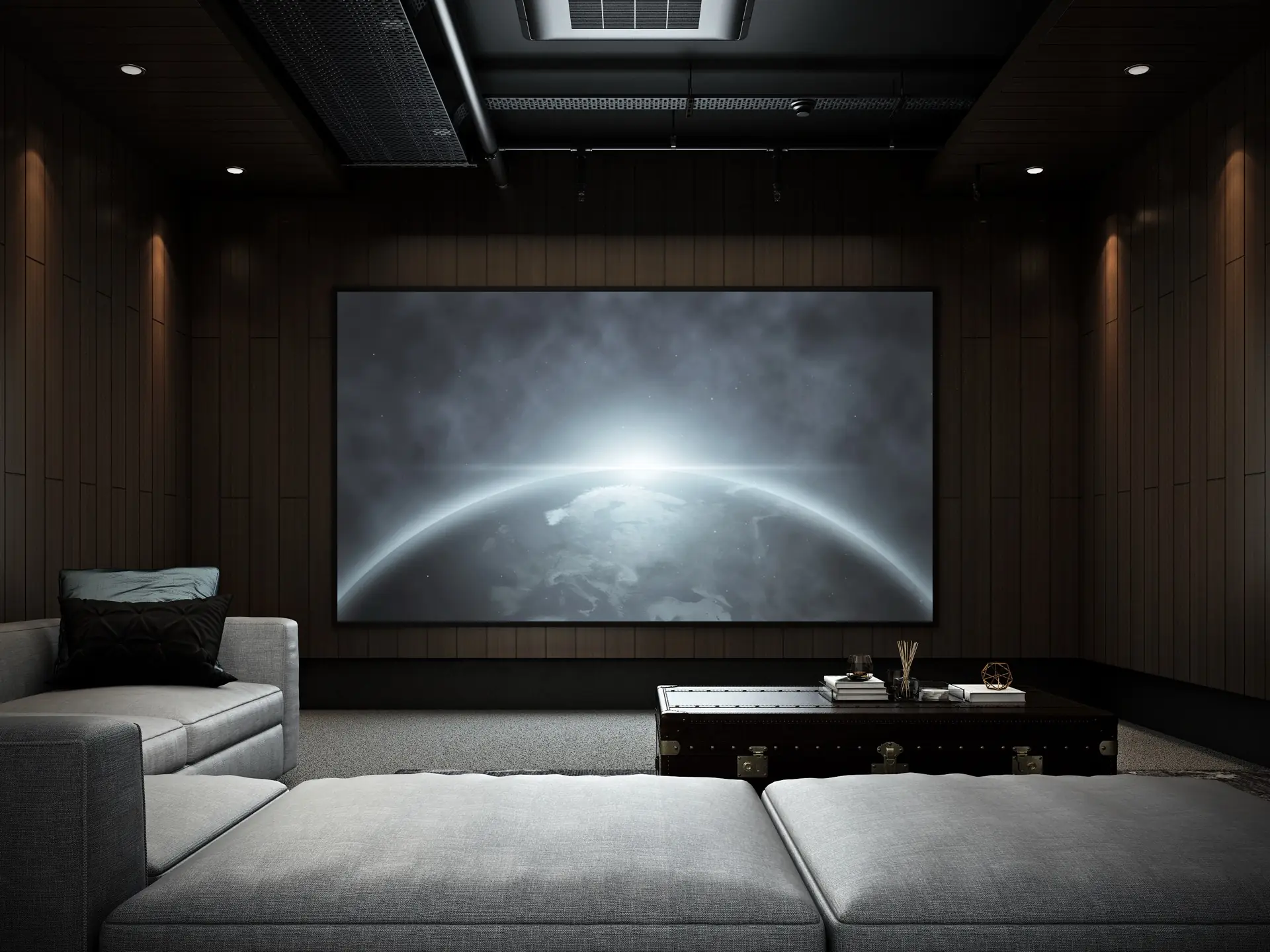
Motorized shading is consistently the feature owners rank among their favorites years after a project: privacy at a touch, glare gone from the media room, bedrooms dark on schedule, and the afternoon heat load cut before the HVAC notices. Integrated with lighting scenes — 'Goodnight' lowering the house along with the lights — it's the moment automation stops feeling like a gadget.
It's also one of the most margin-rich categories on a typical integrator proposal, with fabric, hardware, and labor bundled into per-opening prices that are nearly impossible for an owner to benchmark. That combination — high value, opaque pricing — is exactly where independent review earns its keep.
Whole-home budgets, in real numbers
Using the planning model behind our whole-home estimator, calibrated to a ~4,000-square-foot baseline: an essential scope — quality motorized roller shades in the rooms that matter most — typically runs $8,000–$18,000 installed. A whole-home elevated scope with better fabrics, quieter motors, and most openings covered lands around $22,000–$50,000.
Estate-grade work — recessed pockets in every room, dual shades (sheer plus blackout), motorized drapery tracks, and specialty shapes — runs $60,000–$150,000 and beyond at this baseline, scaling with window count and size. Per opening, expect quality motorized rollers to start around the high hundreds to low thousands installed, with pocketed dual-shade openings running several times that.
Wired vs. battery: decide before drywall
On new construction and major renovation, wired shades win on every axis that matters: no batteries to charge, quieter and faster motors, rock-solid integration, and a lower lifetime cost of ownership. The catch is that the low-voltage wiring must be planned per opening before insulation and drywall — which is why shades belong on the low-voltage plans, not in a post-move-in conversation.
Battery shades are the honest answer for retrofit, and modern ones are good — but on a project with open walls, specifying battery shades is a design failure that becomes a recurring chore. If your proposal shows battery shades on a ground-up build, ask why.
The details that separate good from great
Shade quality is mostly decided at design development: pockets sized and detailed so hardware disappears into the ceiling plane, fascias aligned across openings, fabrics selected with the interior designer for openness factor and color rendering, and side channels where true blackout matters. None of this can be retrofitted gracefully.
Integration matters too: shades should live in the same control ecosystem as the lighting — Lutron's shading systems pairing with Lutron lighting and with Crestron, Control4, or Savant control is the standard high-end pattern — so scenes, schedules, and sun-tracking behave as one system rather than two apps.
How to avoid overpaying
Shade proposals hide their padding in per-opening bundles. The fix is a documented shade schedule — every opening, its size, shade type, fabric spec, and power source — bid to multiple providers. Window-covering pricing drops remarkably when vendors know the schedule is being shopped.
An independent designer also right-sizes the scope: not every opening needs motorization, and the guest bath doesn't need the drapery track. Trimming the openings that add nothing routinely funds the upgrades that matter. We produce exactly these schedules — and review the quotes you already have, free.