
What you are actually paying for
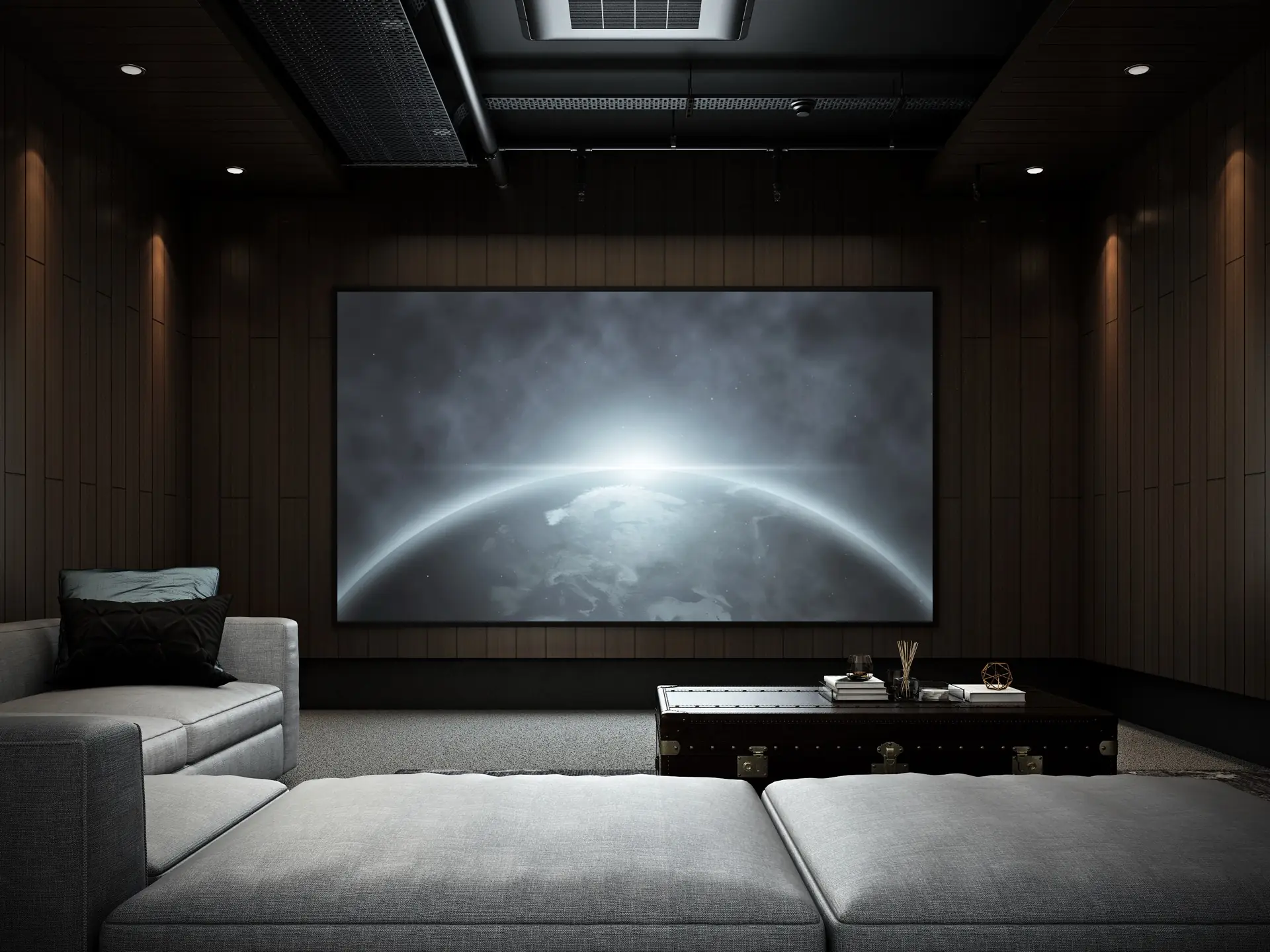
A true dedicated theater is a single-purpose room: tiered seating, acoustic treatment, a projector and screen, isolated walls, blackout, and a system tuned so the picture and sound disappear and the movie takes over. Done well it is genuinely magical, and it is genuinely expensive, often well into six figures once construction, acoustics, and AV are combined.
You are not just buying gear. You are buying square footage that does one thing, plus the construction work to make that one thing excellent. That is the real cost to weigh, not the price of the projector.
The honest usage question
The single best predictor of whether a theater is worth it is how often it will actually be used. Some families watch a film together two or three nights a week and a dedicated room transforms their lives. Others build a stunning theater that gets used four times a year, usually right after a remodel and rarely after that.
Be brutally honest about your habits, not your aspirations. If most of your viewing is casual, with people drifting in and out, a single-purpose dark room is the wrong tool, no matter how impressive it looks in the plans.
Media room: most of the magic, less of the cost
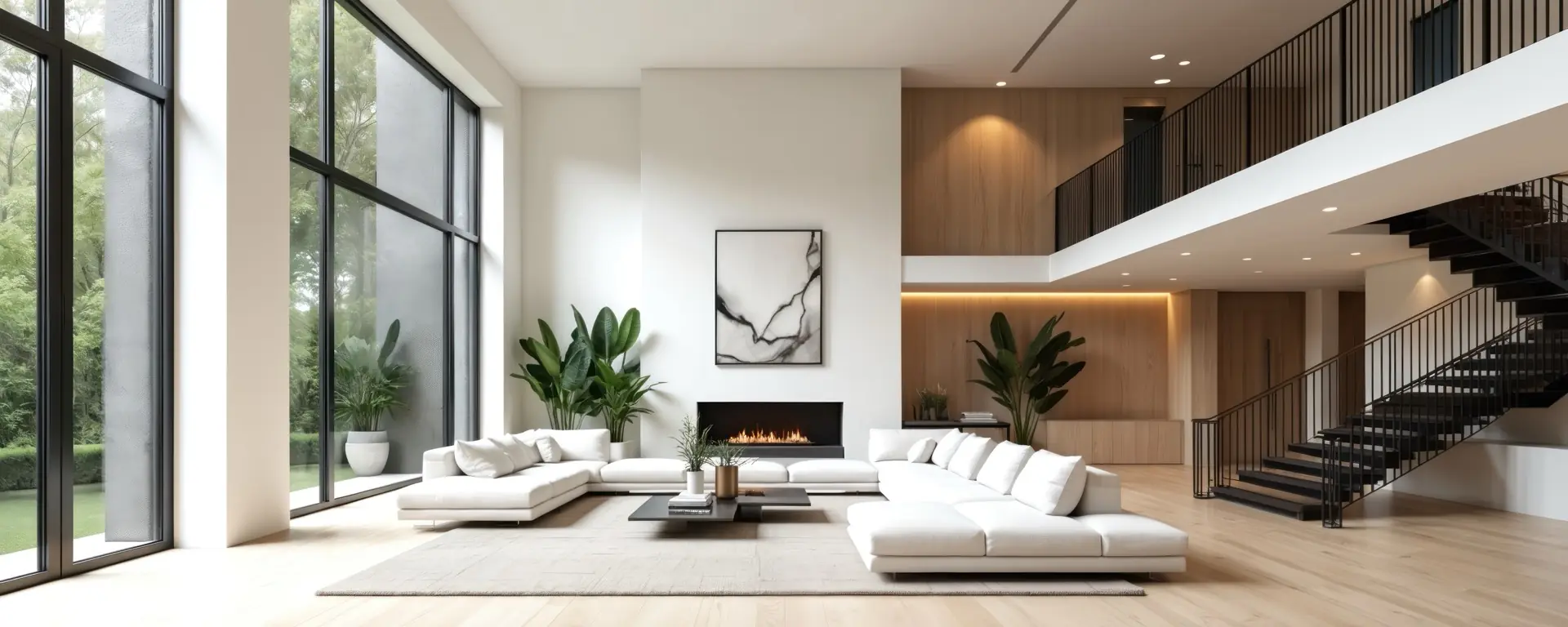
For many luxury homeowners, a media room is the smarter call. It is a comfortable, multi-purpose space with a large flat panel or a moderate projection setup, great sound, and lighting control, but it still works with the lights up, for sports, gaming, and everyday TV.
A well-designed media room delivers most of the wow for a fraction of the spend and gets used every day. The tradeoff is that it will never hit the last ten percent of immersion a dedicated theater can. For most families that is a trade well worth making.
Resale and the over-build trap
People often justify a theater on resale. Be careful. A tasteful, flexible media room is broadly appealing to buyers. A highly customized, single-purpose theater is appealing to a narrow slice of them, and it rarely returns its full cost. Build a theater because you want it, not because you expect it to pay you back at sale.
The over-build trap is real here. It is easy to let an integrator spec a flagship system into a room that the family will barely use, because that is the profitable recommendation. The room, not the gear, is the decision that matters most.
How to decide without a sales bias
This is exactly the kind of question where an independent voice helps, because no equipment sale is riding on the answer. A consultant can walk through your real usage, your floor plan, and your budget and tell you honestly whether a theater, a media room, or a great main-living setup is the right investment.
Then, whichever you choose, the design can be competitively bid so you pay a fair price for it. The goal is a room you will love and use, specified to your life rather than to someone's margin.